
All You Need To Know About Ear Wax
Deep in the skin of the ear canal, there are glands called cerumen glands that make ear wax.
The glands are connected to the cerumen ducts, which allow the ear wax to move to the skin's surface and then into the ear canal through the many cerumen pores.
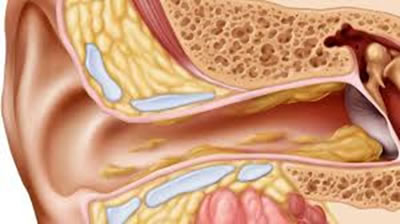
Earwax is a very important part of keeping our ears safe every day. It reacts to foreign objects and builds a barrier around them. Once encased, the earwax moves outwards, taking with it the microorganisms, dead skin cells, and other debris that it has collected. So, we know that earwax is a normal and necessary part of keeping our ears healthy. It keeps the PH levels in our ears normal and traps dirt and dust from the air.
But what do we do when our ears get too clogged?
If you don't do anything about it, earwax can keep building up, making it harder to get out and making your ears feel blocked and your hearing worse.
In some cases, the blockage can be so bad that the person feels pressure and pain all the time. Here are some signs that you might have too much earwax:
- Hearing loss
- Earaches
- Tinnitus...noises and sounds in the ear
- Constant or intermittent whistle from hearing aids
- Your own voice sounds deeper and hollow to yourself
- Itchy ears
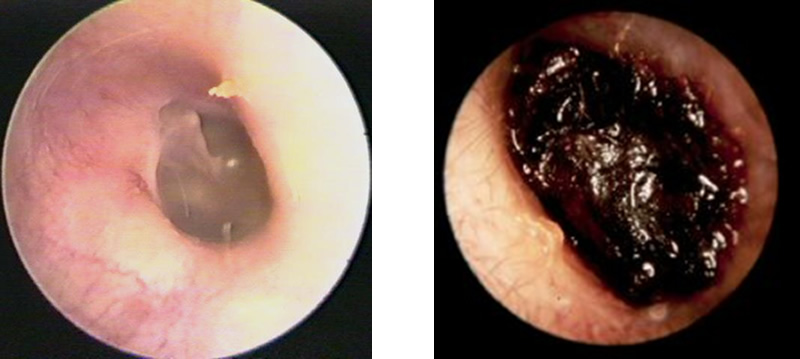
The most common reason for a hearing aid to whistle is earwax.
People with hearing aids can have a hard time with earwax because it can make their hearing aids whistle loudly and uncontrollably or even stop them from working at all. The pictures above show an ear canal full of earwax and an ear canal that is clear so that sound can reach the eardrum without being blocked.
The whistling will stop once the earwax is cleaned out. Then, the sounds from the hearing aids will be able to travel through the ear canal well, and there will be no more whistling.
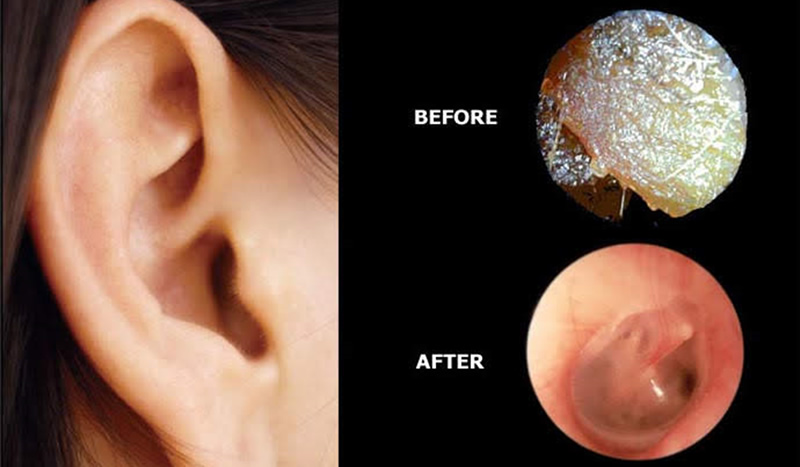
Don't clean your own earwax!
If you clean your ears by putting in cotton-wrapped plastic swabs, which is a common practise, you should stop. This is the latest advice from Otolaryngology academies, which study diseases of the throat and ears.
They have even put out guidelines for how to take care of your ears, with a focus on preventing too much "do-it-yourself" cleaning of the ears and especially putting cleaning tools into the ears.
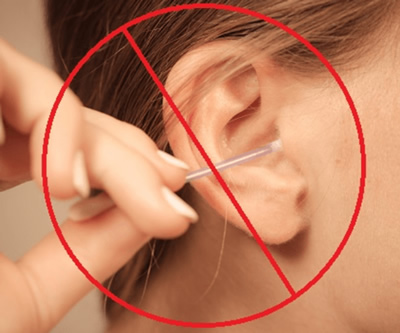
The truth is that if you push cotton sticks into your ears, you might push the excess wax in instead of pulling it out, which could be bad for your health. Academies of otolaryngology say that only trained medical staff should clean the ears.
earwax Benefits

If you don't have much earwax, your ears will start to feel dry and itchy.
But the right amount of wax makes a difference in a few ways:
- Prevents dust, bacteria and other germs from entering and damaging the ears
- Catches dust and bacteria that grow slowly.
- Keeps water from irritating the skin in the ear canal.
Your ears should have a healthy amount of wax, since they are a part of the body that cleans itself.
Since cells naturally move through the atrial channel, the extra wax leaves on its own. The movements of the jaw (when talking, chewing, etc.) also help get rid of the wax, and once it gets to the outside of the ear, it will just fall out or be washed away when you take a shower or bath.
But some of us get more and more earwax over time and need a professional to help us clean it out. Every year, you should have your ears checked because, like teeth, they need extra care to help us live longer and enjoy life more.